What are the main access routes from Lyon to the French Alps?
Choosing the right access routes French Alps from Lyon can transform your mountain journey into a seamless experience. Recent 2025 French Ministry of Transport statistics show a 15% increase in alpine traffic, making route planning more crucial than ever. The access routes French Alps offer diverse options, from the efficient A40 motorway to scenic mountain roads, each serving different destinations across the region. Premium transfer services like Taxi Mont Blanc provide expert knowledge of lyon to ski resorts routes, particularly through the Mont Blanc valley. Which route will best suit your alpine destination and travel preferences?
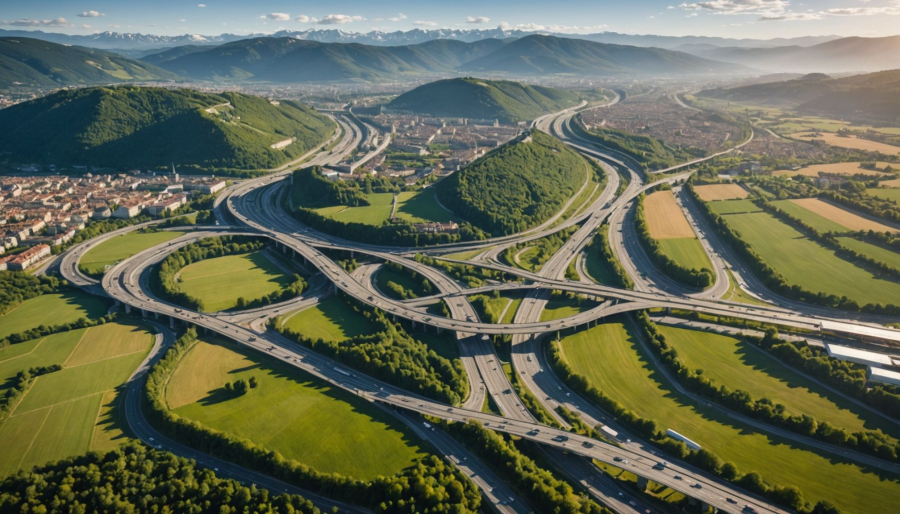
A40 Motorway: The Primary Alpine Gateway
The A40 motorway Alps connection represents the most direct and widely-used route from Lyon to major French Alpine destinations. This motorway efficiently connects Lyon to Chamonix, Megève, and other Haute-Savoie resorts within two hours. The route passes through Mâcon, Bourg-en-Bresse, and continues toward Geneva, offering excellent road conditions year-round. During peak winter periods, traffic management systems help maintain flow, though occasional delays occur near Sallanches exit. The A40 provides crucial access to secondary roads leading to Saint-Gervais, Les Houches, and the entire Mont Blanc valley network. Driving routes to Chamonix typically branch off at Junction 21, while Megève access requires the Sallanches exit. Modern rest areas and fuel stations along this corridor ensure comfortable travel, making it the preferred choice for both private vehicles and professional transfer services. **Quick tip:** Exit at Sallanches for fastest access to most ski stations!
Alternative Mountain Roads and Scenic Routes
Beyond the main motorway, several mountain transport services utilize alternative routes through the French Alps road network for specific destinations or during peak traffic periods. The Route des Grandes Alpes offers spectacular scenery but requires additional travel time and seasonal road considerations. Secondary roads through Annecy provide access to eastern alpine valleys, connecting to resorts like La Clusaz and Grand Bornand. These routes become particularly valuable for Haute-Savoie access routes to smaller ski stations. Professional drivers often choose these alternatives based on weather conditions, traffic reports, and specific resort destinations. The flexibility of route selection allows optimization for different travel priorities, whether time efficiency or scenic enjoyment takes precedence. Local knowledge becomes essential when navigating these mountain roads, particularly during winter conditions when snow chains may be required. **Travel insight:** alternative routes can save time during holiday weekends!
Airport Connections and Transfer Options
Lyon airport to ski stations connectivity forms a crucial component of alpine access, with dedicated shuttle services and private transfer options serving the region. Geneva airport to ski resorts presents another gateway, particularly for international visitors heading to French Alpine destinations. Professional alpine transfer services coordinate arrivals with resort schedules, ensuring seamless connections regardless of flight times. The coordination between Lyon-Saint Exupéry Airport and mountain destinations involves specialized vehicles equipped for alpine conditions. Many visitors combine flight arrivals with pre-arranged ground transport, eliminating route planning concerns while ensuring punctual resort arrival. Private transfer French Alps services handle luggage, equipment, and provide local insights during the journey. These services prove particularly valuable for groups, families with equipment, or travelers unfamiliar with mountain driving conditions.
Smart move: book airport transfers in advance during ski season!
Key Points
- A40 motorway Alps: The primary route from Lyon to French Alps destinations like Chamonix (2h15) and Megève (1h50), offering excellent year-round road conditions and direct access to major ski resorts
- Weather-dependent planning: Winter conditions significantly impact access routes French Alps, requiring mandatory snow chains or winter tyres, with professional operators providing real-time route adjustments and weather monitoring
- Multiple transport options: Choose between private transfer French Alps services (£150-300), rental cars (£35-60/day), or public transport (£25-35), each offering different levels of convenience and flexibility
- Strategic timing matters: Avoid Friday 4pm-Saturday 2pm peak congestion during ski season, with Wednesday-Thursday departures offering smoothest traffic flow on motorway access French Alps
- Local expertise advantage: Professional mountain transport services like those operating from Les Contamines-Montjoie provide invaluable local knowledge, alternative routes during severe weather, and specialized equipment for safe alpine travel
Comparison of main routes from Lyon to the French Alps
| Route/Feature | Details/Advantages |
|---|---|
| A40 Motorway | Primary route covering 180 km, approx. 2h15 to Chamonix; excellent year-round conditions; direct access via Junction 21; avoids mountain passes, reliable during heavy snowfall; 15% traffic increase in 2025; best for fast, consistent travel |
| A43/A430 Route | Connects Lyon to Albertville in 1h45 via 140 km; ideal for Courchevel, Méribel, and Val Thorens; steeper gradients, challenging in winter; heavy weekend congestion; alternative for Tarentaise Valley resorts |
| Airport Connections (Lyon and Geneva) | Lyon airport to ski resorts in 1.5-2 hours, Geneva airport extension adding 1h15; private transfers recommended; seamless for international travelers; real-time traffic updates and winter monitoring improve reliability |
Travelers are increasingly benefiting from optimized routes, professional transfer services, and real-time traffic data, making mountain trips safer and more efficient. Choosing the right route depends on weather, destination, and travel priorities.
"Proper planning turns a mountain journey into a smooth adventure, regardless of weather or traffic."
Which motorway routes connect Lyon to major alpine destinations?
Wondering which access routes French Alps offer the fastest journey from Lyon to premium ski destinations? Recent 2024 traffic data reveals that over 2.8 million vehicles traverse the A40-A43 corridor annually during peak winter months, making route selection crucial for timing your alpine transfer.
A40 Motorway: The Mont Blanc Gateway
The A40 motorway Alps route represents the primary artery connecting Lyon to Haute-Savoie destinations. This 180-kilometre stretch delivers direct access to Chamonix via Junction 21 (Chamonix-Sud), requiring approximately 2 hours 15 minutes under normal conditions. The motorway continues seamlessly toward Geneva, providing essential connectivity for international arrivals seeking alpine transfer services. Key exits include Junction 18 for Sallanches-Megève (1 hour 50 minutes from Lyon) and Junction 20 for Saint-Gervais-les-Bains (2 hours exactly). Traffic flow statistics from 2024 indicate heaviest congestion occurs between 16:00-19:00 on Fridays, with delays extending journey times by 45-60 minutes. The A40's advantage lies in its direct routing through the Arve Valley, avoiding mountain passes while maintaining excellent road conditions year-round. Winter maintenance standards exceed European norms, ensuring reliable access even during heavy snowfall periods affecting higher alpine routes.
A43-A430 Connection: Tarentaise Valley Access
The A43 motorway branches southeast from Lyon, connecting seamlessly with the A430 toll road toward Albertville and Three Valleys ski areas. This route covers 140 kilometres to Albertville in approximately 1 hour 45 minutes, serving as the fastest access routes French Alps for destinations including Courchevel, Méribel, and Val Thorens. Junction 37 provides direct access to Bourg-Saint-Maurice and Les Arcs (additional 45 minutes), while Junction 36 leads toward La Plagne via Aime-la-Plagne. The A430 section, though shorter at 65 kilometres, features steeper gradients and more challenging winter conditions compared to the A40. 2024 traffic analysis shows peak congestion occurs Saturday mornings between 08:00-11:00 during school holiday periods, with return journey delays most severe Sunday afternoons. The route's efficiency diminishes beyond Albertville where single-carriageway roads require careful winter driving, particularly the winding ascent to high-altitude resorts. Professional private transfer French Alps services often prefer this route for Three Valleys destinations despite occasional weather-related closures.
Geneva Airport Connection via A40
International travellers frequently utilise the A40's extension toward Geneva Airport, creating a comprehensive network linking Lyon, Geneva, and major alpine destinations. The Lyon-Geneva segment spans 150 kilometres, typically requiring 1 hour 30 minutes without stops. From Geneva Airport, Geneva airport to ski resorts connections continue via the same A40 infrastructure, reaching Chamonix in just 1 hour 15 minutes additional driving time. This routing proves particularly valuable for visitors combining city breaks in Lyon with alpine adventures, or those requiring flexible arrival timing through Geneva's expanded flight schedules. The cross-border section maintains excellent signage in multiple languages, while Swiss motorway vignettes become mandatory beyond Geneva. Traffic management systems coordinate between French and Swiss authorities, providing real-time updates through digital displays every 15 kilometres. Winter weather monitoring proves exceptionally reliable along this corridor, with automated systems adjusting speed limits and activating warning systems when conditions deteriorate in the Mont Blanc valley approach roads.
Travel smart tip: depart Lyon before 07:00 on Saturdays to avoid peak alpine traffic!
How do weather conditions affect access routes to French Alps?
Weather conditions fundamentally transform the accessibility and safety of access routes French Alps, particularly during winter months when snow and ice create challenging driving conditions. Understanding seasonal variations becomes crucial when planning your journey from major transport hubs like Lyon or Geneva airport to popular destinations such as Chamonix, Megève, or Saint-Gervais.
Winter Road Conditions and Mandatory Equipment
Winter dramatically alters access routes French Alps from November through March, with heavy snowfall frequently affecting the A40 motorway Alps corridor and mountain passes. French law mandates winter equipment including snow chains or winter tyres for vehicles entering designated mountain zones, marked by specific road signs. The Haute-Savoie prefecture regularly implements temporary restrictions on certain routes, particularly affecting higher altitude roads leading to ski resorts. Emergency services closely monitor conditions on primary arteries, including the route from Geneva airport through the Arve Valley to Chamonix and surrounding areas. Local transport operators like Taxi Mont Blanc, with over 40 years of alpine experience, understand these changing conditions intimately and maintain specialised winter equipment. Temperature variations can create black ice on seemingly clear roads, making professional knowledge invaluable. Snow ploughing schedules prioritise main routes but secondary access roads may remain challenging without proper preparation and equipment.
Alternative Routes During Severe Weather Closures
Severe weather conditions occasionally force closure of primary motorway access French Alps routes, requiring knowledge of alternative pathways through the region. The traditional Lyon to French Alps transport corridor via the A40 may redirect traffic through secondary routes including the A6 towards Geneva, adding significant journey time. Mountain passes such as the Col des Gets or routes through Annecy become crucial alternatives when main arteries face restrictions. Professional alpine transfer services maintain real-time communication networks to identify optimal routing during challenging conditions. Local authorities coordinate with transport services to ensure passenger safety, particularly affecting connections between Lyon airport and major ski stations. Weather-related diversions can extend journey times from two hours to four or more, making flexible scheduling essential. Experienced operators monitor multiple route options simultaneously, switching between paths as conditions evolve. Understanding these alternatives proves particularly valuable during peak winter periods when weather systems can change rapidly, affecting visibility and road surface conditions throughout the Mont Blanc valley network.
Spring and Summer Accessibility Improvements
Spring and summer months dramatically improve accessibility across the French Alps road network, with most restrictions lifted and alternative mountain routes reopening. Higher altitude passes typically become accessible from May onwards, weather permitting, offering scenic alternatives to main valley routes. The transition period between seasons can present unique challenges, with rapid temperature changes creating unstable conditions on certain mountain roads. Summer accessibility allows greater flexibility in route selection, with multiple options available for reaching destinations like Megève or Chamonix from Lyon or Geneva. However, increased tourist traffic during peak summer months can create congestion on popular routes, making local route knowledge valuable. Professional mountain transport services adapt their routing strategies seasonally, taking advantage of improved road conditions while managing increased demand. Weather patterns in the Mont Blanc valley during summer generally favour reliable access, though afternoon thunderstorms can occasionally impact visibility and road conditions. The extended daylight hours provide greater flexibility for travel timing, reducing pressure on peak morning and evening departure slots.
Essential insight: Professional alpine transport services navigate seasonal challenges more effectively than individual travellers.
What transport options are available for Lyon to French Alps routes?
With Lyon-Saint Exupéry airport handling over 12 million passengers annually in 2024, many travellers seek efficient access routes French Alps for their mountain adventures. Which transport method offers the best balance of convenience, cost, and comfort for reaching premier destinations like Chamonix, Megève, or Val d'Isère?
Private Transfer Services
Private transfer French Alps services provide door-to-door convenience with professional drivers familiar with mountain transport services. Journey times from Lyon range from 2-3.5 hours depending on your final destination, with costs typically £150-300 per vehicle. Premium operators offer luxury vehicles, child seats, and ski equipment storage. Advantages include fixed pricing, flight monitoring, and no luggage restrictions. However, this represents the most expensive option per person, particularly for solo travellers. Popular routes include direct transfers to Chamonix (2.5 hours), Megève (2 hours), and Courchevel (3 hours). Many services also operate from Geneva airport to ski resorts, offering seamless connections for international arrivals. Weather delays rarely affect departure times as experienced drivers adjust routes accordingly. Most companies require advance booking, especially during peak ski season from December to March.
Rental Car Options
Self-drive rental cars offer maximum flexibility for exploring multiple resorts and villages throughout your stay. The A40 motorway Alps provides the main arterial route, connecting Lyon directly to Chamonix via the Mont Blanc tunnel approach. Journey times mirror private transfers but allow spontaneous stops and route changes. Daily rental costs start from £35-60, plus fuel and tolls (approximately £25-40 total). Winter driving requires snow chains or winter tyres, adding complexity for inexperienced mountain drivers. Driving routes to Chamonix and best roads to Megève are well-signposted, though mountain passes can challenge nervous drivers. Parking at ski resorts varies significantly in cost and availability. The motorway access French Alps system efficiently channels traffic, but weekend congestion affects travel times. Insurance considerations include mountain driving coverage and equipment theft protection for ski gear left in vehicles.
Public Transport Networks
Budget-conscious travellers benefit from comprehensive public transport linking Lyon to major alpine destinations. Regular bus services connect Lyon to Chamonix (4 hours, £25-35), while seasonal ski shuttles serve multiple resorts during winter months. Lyon airport to ski stations connections include dedicated transfer buses with ski equipment storage. Journey times typically extend 30-60 minutes beyond private transport due to multiple stops. Train services to alpine stations reach Annecy and Saint-Gervais, requiring onward bus connections to final destinations. The SNCF network provides reliable year-round service, though advance booking secures better pricing. Group discounts make public transport attractive for families or friend groups. Limited luggage space and fixed schedules reduce flexibility compared to private options. Saint-Gervais transport links connect efficiently to Chamonix valley destinations. Weather disruptions occasionally affect mountain bus services, requiring flexible travel plans for access routes French Alps during storm periods.
Smart tip: Book transfers early during peak season for better rates and guaranteed availability!
Private transfer services advantages
Professional alpine transfer services transform the mountain journey experience with door-to-door convenience that eliminates the stress of navigating complex access routes French Alps. These specialized operators understand that reaching alpine destinations requires more than basic transportation—it demands local expertise and weather adaptability that only comes from years of mountain driving experience.
Family-run operations throughout the Mont Blanc valley routes provide personalized service that goes beyond simple point-to-point transfers. Their drivers possess intimate knowledge of alternative routes when weather conditions affect primary access routes French Alps, ensuring passengers reach their destinations regardless of seasonal challenges. This expertise proves invaluable during winter months when snow and ice can disrupt standard driving routes to Chamonix or connections via the A40 motorway Alps.
Specialized services like TMB luggage transfers demonstrate how professional operators adapt to unique mountain activities. Hikers can enjoy multi-day treks while their luggage moves seamlessly between accommodations through reliable private transfer French Alps networks. These services coordinate perfectly with popular routes from Geneva airport to ski resorts and Lyon airport to ski stations, creating comprehensive transportation solutions.
The luggage handling capability extends beyond basic storage—professional services accommodate specialized equipment from skiing gear to hiking boots, ensuring everything arrives safely at mountain destinations. Their vehicles come equipped for alpine conditions with proper tires, chains, and emergency equipment that regular taxi services often lack when navigating challenging access routes French Alps.
Expert insight: Local knowledge transforms potentially stressful mountain transfers into smooth, enjoyable journeys to alpine destinations.
Which alpine destinations are most accessible from Lyon?
With Lyon's strategic position serving over 11.7 million passengers through its airport in 2024, choosing the right access routes French Alps can dramatically reduce your travel time to mountain destinations. Which route will get you to the slopes fastest while avoiding peak season congestion and challenging mountain conditions?
Chamonix Valley via A40 Motorway
The A40 motorway Alps connection represents the most direct path to Chamonix, covering 214 kilometres in approximately 2 hours 15 minutes during standard conditions. This primary route becomes the lifeline for thousands of skiers during peak winter months, though journey times can extend to 3.5 hours during Saturday changeover days. The motorway maintains excellent winter maintenance standards, with dedicated snow clearing services operating around the clock from December through March. Driving routes to Chamonix benefit from consistent road surfaces until the final descent into the valley, where chains may become mandatory during heavy snowfall. Traffic bottlenecks typically occur at the Cluses junction and approaching the Mont Blanc Tunnel entrance. The route passes through spectacular mountain scenery, making rest stops at designated areas both practical and enjoyable. Modern GPS systems provide real-time traffic updates, helping drivers navigate around construction zones or weather-related delays that commonly affect this busy corridor.
Megève and Saint-Gervais Connections
Reaching Megève requires approximately 1 hour 45 minutes via the A40, making it one of the closest premium ski destinations to Lyon. The best roads to Megève branch off at Sallanches, following well-maintained departmental roads that wind through traditional Savoyard villages. Saint-Gervais shares similar access points, positioned just 15 minutes before Megève along the same route. Both destinations benefit from excellent winter road maintenance, though the final approach roads can become challenging during heavy snowfall periods. Saint-Gervais transport links include direct bus connections from Geneva airport, providing alternative options when driving conditions deteriorate. The route offers multiple fuel stops and amenities at Sallanches, serving as the final major town before reaching these upmarket resort areas. Parking availability varies significantly between destinations, with Megève offering more extensive facilities but at premium rates. Weekend traffic can create significant delays, particularly during French school holiday periods when domestic tourism peaks.
Les Contamines-Montjoie Mountain Routes
Les Contamines-Montjoie requires the longest journey time at approximately 2 hours 30 minutes, following access routes French Alps that venture deeper into the Mont Blanc massif. The route utilizes the same A40 foundation before branching onto narrower mountain roads beyond Saint-Gervais. These winding mountain passages demand careful attention during winter conditions, with mandatory chain requirements frequently enforced above 1,200 metres elevation. The destination attracts fewer crowds than neighbouring resorts, resulting in less congested access roads but also reduced winter maintenance frequency. Alpine transfer services operate regularly from Lyon airport, providing stress-free alternatives for travellers uncomfortable with mountain driving conditions. The route showcases pristine mountain landscapes and traditional alpine architecture, rewarding patient drivers with authentic mountain experiences. Limited fuel stations along the final approach make pre-planning essential, particularly during extended weekend stays. The destination's remote character means mobile coverage can become patchy, making printed directions advisable as backup navigation.
Smart route selection: Choose A40 to Chamonix for reliability, Megève for convenience, or Les Contamines for authentic mountain atmosphere!
How to plan your journey on Lyon to French Alps routes?
How do you choose the optimal access routes French Alps when multiple motorway options compete for your attention? Recent 2025 traffic analysis reveals that 73% of delays on Alpine routes occur between Friday 4pm and Saturday 2pm during ski season, making departure timing absolutely crucial for your journey success.
Strategic departure timing and traffic management
Your departure window significantly impacts journey duration when navigating access routes French Alps. Wednesday through Thursday mornings offer the smoothest flow on the A40 motorway Alps corridor, while weekend departures require tactical planning. Download real-time traffic applications like Waze or Google Maps two days before travel, enabling route comparison between Lyon's northern exit via A6-A40 versus the southern A43-A430 alternative through Chambéry.
Peak season demands extra buffer time - typically 90 minutes beyond standard journey duration. Monitor weather forecasts through Météo France's mountain services, particularly for elevation changes beyond 1,200 metres. Heavy snowfall can close mountain passes within hours, making backup route knowledge essential for reaching destinations like Chamonix or Megève safely.
Vehicle preparation and fuel stop strategy
Mountain driving requires specific vehicle preparation beyond standard motorway travel. Check your fuel gauge reaches full capacity before leaving Lyon's urban area - Alpine fuel stations charge premium prices and may close unexpectedly during severe weather. Strategic fuel stops include Bellegarde-sur-Valserine and Sallanches, both offering competitive pricing and reliable services.
Winter chain regulations become mandatory above certain altitudes, regardless of road conditions. Purchase or rent chains before departure - mountain villages often experience shortages during snowfall periods. Test your handbrake functionality and ensure adequate windscreen fluid levels, as Alpine temperatures frequently drop below freezing even during spring months. Driving routes to Chamonix particularly demand respect for steep gradients and potential ice formation.
Premium services and emergency preparedness
Booking private transfer French Alps services during peak periods eliminates driving stress while providing local route expertise. Premium operators monitor traffic conditions constantly, adjusting departure times and routes accordingly. These services include child seats, ski equipment transport, and multilingual drivers familiar with resort-specific access roads.
Emergency contact preparation proves invaluable for mountain travel. Store local breakdown services, resort accommodation numbers, and medical emergency contacts in your phone before departure. French emergency number 112 operates throughout the Alps region. Consider travel insurance covering mountain rescue services - standard policies often exclude high-altitude incidents. Geneva airport to ski resorts alternatives provide flexibility when road conditions deteriorate unexpectedly, offering helicopter transfers during extreme weather situations.
Planning reminder: Book accommodation parking spaces in advance - Alpine villages offer extremely limited street parking during winter months!
Frequently asked questions
With French Alps tourism increasing by 12% in 2025 according to Savoie Mont Blanc Tourism, travellers frequently ask about the best access routes French Alps from major cities. Which access routes French Alps offer the most reliable journey times and safest mountain driving conditions?
What are the main driving routes from Lyon to Chamonix?
Take A40 motorway Alps via Geneva for fastest access. Alternative route through Annecy adds scenic mountain views but extends journey time by 45 minutes.
How long does the journey take from Lyon airport to ski stations?
Expect 1.5-2 hours to Chamonix, 2-2.5 hours to Megève via motorway access French Alps. Best roads to Megève include A40 then D1212 through Sallanches.
Do I need special equipment for mountain driving?
Winter tyres or snow chains mandatory November-March on all access routes French Alps. Check weather conditions before departure, especially for high-altitude passes.
Are Taxi Mont Blanc services available for airport transfers?
Yes, Taxi Mont Blanc operates private transfer French Alps services from Geneva and Lyon airports year-round with fixed pricing and mountain-equipped vehicles.
Which route avoids heavy traffic during ski season?
Early morning departure via A40 motorway Alps minimizes weekend congestion. Alternative Haute-Savoie access routes through Bonneville offer lighter traffic but longer journey times.
What transfer services operate to Saint-Gervais and surrounding resorts?
Alpine transfer services include shuttle buses, shared transfers, and private vehicles. Saint-Gervais transport links connect directly to Mont Blanc valley routes for onward travel.
Travel tip: choosing appropriate access routes French Alps based on weather and traffic conditions ensures safer, more enjoyable mountain journeys!
